
Il presidente del parlamento estone parla delle crisi ucraina e mediorientale e il ruolo dell’Unione nel Mondo
Trascorsi 1.562 giorni dall’invasione russa dell’Ucraina, il Cremlino starebbe affrontando il momento più critico. Secondo il capo dell’intelligence estone Kaupo Rosin, i dati disponibili raccontano un Paese vicino al default, stretto fra la morza di un’economia instabile e gli esigui risultati sul campo di battaglia.
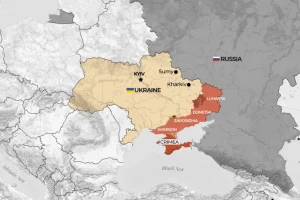
Mosca ha fatto affidamento sulla propria natura di superpotenza e sulla superiorità demografica per vincere la guerra, ma le percentuali di conquista territoriale dimostrano tutta l‘inconsistenza di tale strategia. Dai primi metri percorsi dai cingolati russi nel febbraio 2022, solo il 13% delle Regioni ucraine è stato conquistato. Nemmeno il Donbass, porta d’accesso al Mar Nero e reale obbiettivo strategico, è pienamente in mano alle truppe del Cremlino. Quella a cui assistiamo giorno dopo giorno è la chiara debacle del disegno originario di rendere Kiev uno Stato fantoccio, all’interno di una rinnovata sfera di influenza nello spazio ex sovietico.
L’ottusa campagna militare di Mosca ha avuto poi un altro risultato indesiderato. Il sostegno europeo incondizionato a Kiev ha rilanciato l’idea di un’Europa forte. Al fianco dell’Ucraina, Bruxelles sta dimostrando di voler riacquisire un proprio ruolo in un Mondo notevolmente cambiato, in cui il disimpegno americano e un Medio Oriente in fiamme sono incognite che spingono necessariamente a una reinterpretazione della propria identità. Tra indipendenza militare, diversificazione dei propri partner e capacità decisionale.
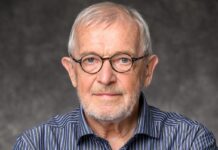
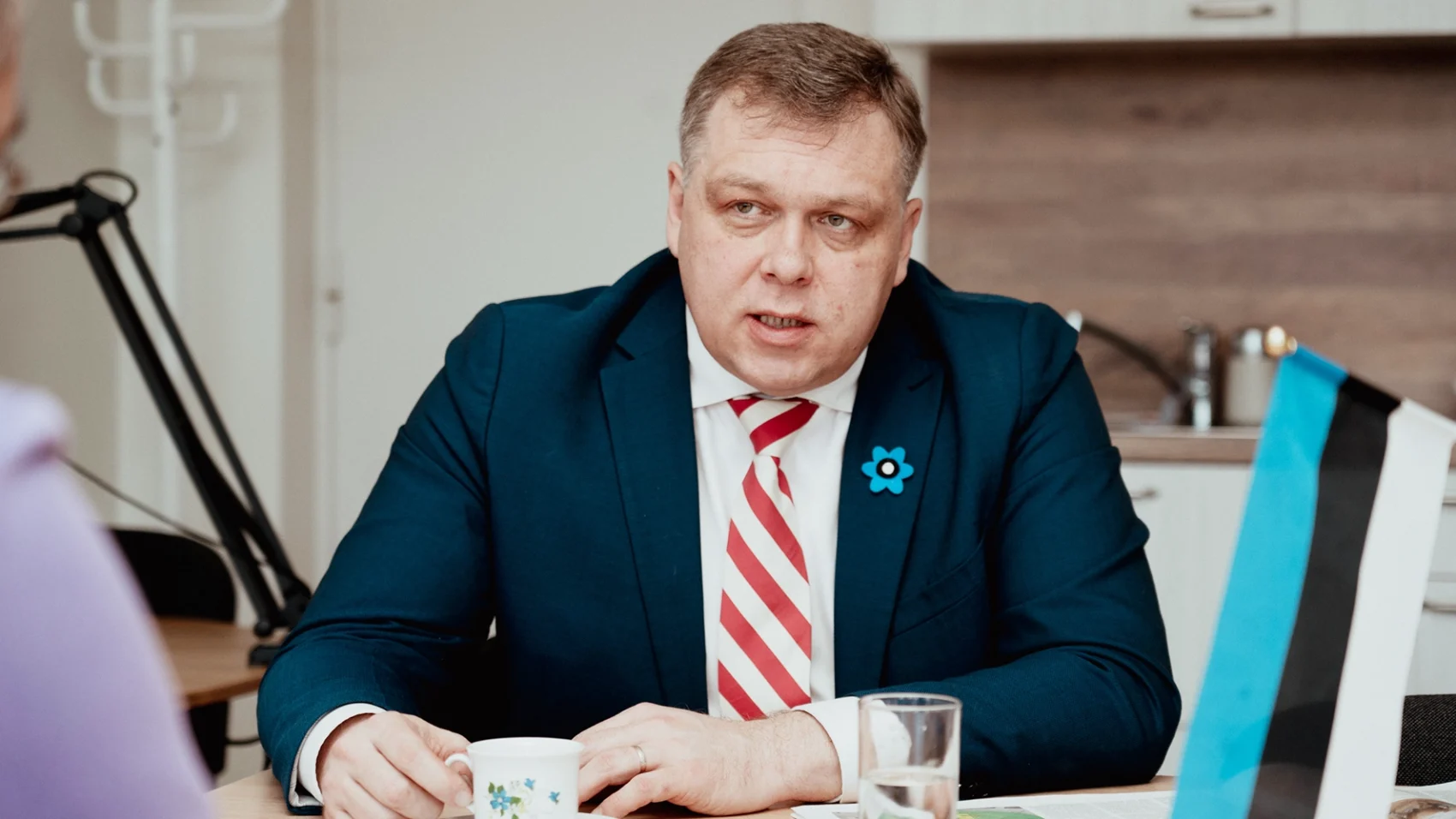
Proviamo a fare il punto con il presidente del Parlamento estone Lauri Hussar.
In Ucraina è possibile una soluzione alla coreana?
 «Bisogna partire da un presupposto fondamentale: indipendentemente dalla futura formula di pace, la Russia non vuole trattare. Come osserviamo ogni giorno, gli obiettivi di Mosca rimangono invariati e su Kiev continuano a cadere parecchie bombe. Perciò, se Putin non intende sedersi al tavolo dei negoziati, è nostro compito metterlo nelle condizioni di non avere altra scelta».
«Ciò sarà possibile solo se si segue una precisa direttrice. L’Ucraina è militarmente molto capace e motivata a difendere la propria sovranità, ma il sostegno degli alleati è decisivo. Sento di dire che stiamo facendo bene come Unione, ma che allo stesso tempo dobbiamo e, ripeto, dobbiamo fare di più per aiutare il popolo e l’esercito ucraino».
«Sono due le parole chiave: sanzioni (il cui 21° pacchetto è già in fase di lavorazione) e aumento del sostegno e rifornimento militare. Per quel che concerne le condizioni di pace, sono prioritarie le richieste dell’Ucraina e del presidente Zelensky».
Come interpretare l’altalenanza del sostegno americano?
«Di recente, gli Stati Uniti stanno iniziando a cooperare con l’Ucraina in moltissimi settori, ma è vero che è l’Europa a starsi facendo carico del peso maggiore. Su questo sono fiducioso. L’Ue è in grado di farlo come sta dimostrando da quattro anni a questa parte, investendo largamente in sicurezza e difesa».
«Stiamo ripensando il nostro ruolo nel Mondo, ampliando l’industria militare e rendendola tecnologicamente sempre più efficiente. So che è una grande ambizione, ma sono sicuro sarà un successo».
Credi che al Cremlino si voglia andare oltre Kiev?
«Certo, Putin è la personificazione del male e ha sempre guardato più in là. Non so se si tratti di restaurare l’Unione Sovietica o di estendere la propria influenza nell’est Europa, ma è evidente che quella è la mentalità».
«Ad ogni modo, è solo un suo sogno, che non si avvererà mai più. Oggi la Russia è in seria difficoltà economica e non avanza sul campo di battaglia».
Come arginare la hybrid warfare e il dilagante flusso di fake news?
 «Molto del lavoro da fare è nelle mani di giornali, editori e aziende del settore. Spetta a loro sviluppare seri e articolati protocolli di fact–checking e l’individuazione di infiltrazioni/interferenze esterne o sospette. Per quel che riguarda l’Unione europea e gli Stati nazionali, difficilmente potranno intervenire su una materia così delicata. In Estonia, abbiamo qualche iniziativa spontanea, ma non basta».
«Viviamo in una società in cui il potere dell’informazione è massivo e passa via i social media. Tutti ormai apprendono notizie dal proprio smartphone, non comprendendo che si tratta di strutture facilmente penetrabili. In questo l’Ue deve agire, imponendo norme e limiti ai proprietari che spesso non adempiono neanche a una basilare regolamentazione, permettendo la pubblicazione di qualsiasi affermazione, anche la più assurda».
Credi che in futuro ci sia il rischo che i fondi del BSI vengano tagliati?
«Non credo. Noi abbiamo un’ottima cooperazione con Washington in materia di sicurezza. Internamente alla NATO, siamo riconosciuti come un esempio virtuoso in tal senso. Tra le altre cose, va ricordato che anche per gli USA è importante tutto ciò. Perché oggi è dalla difesa del fronte est che passa il futuro dell’Europa e dell’Occidente».
«Per fare un esempio, in queste settimane si sono diffuse voci secondo cui non sarebbero state ritirate 5.000 unità Usa dalla Polonia. Eppure, l’amministrazione statunitense ha chiarito in modo inequivocabile che ciò non accadrà».
Crede che iniziare la guerra in Iran sia stata una mossa azzeccata da parte degli Usa?
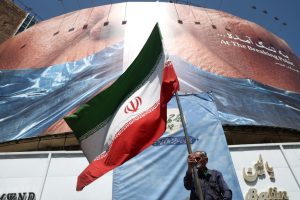 «Per noi è molto difficile commentare su quali siano state le ragioni dietro l’operazione contro Teheran. Non siamo stati avvisati (come neanche l’Italia). Quel che sorprende e che va oltre ogni immaginazione è la reazione del regime iraniano. Penso molto realisticamente che siano stati gli alleati russi a suggerire di espandere i disordini, coinvolgendo anche i Paesi del Golfo».
«Pensandoci bene, una crisi petrolifera è nell’interesse del Cremlino, per via del fatto che la Russia è uno dei più grandi produttori ed esportatori mondiali di greggio. Non sono riusciti a sfruttarla al meglio, perché gli ucraini hanno distrutto molte loro infrastrutture energetiche. Ma la volontà c’era».
Qual è la posizione ufficiale dell’Estonia sul Board of Peace?
«Non ne abbiamo nemmeno ricevuto l’invito di partecipazione. In linea di massima, tutte le iniziative multilaterali sono positive. Il punto è che dovremmo anche vederne i risultati»!
Oggi essere alleati degli Usa ha un costo? Meloni si è più volte smarcata da Donald Trump negli ultimi tempi.
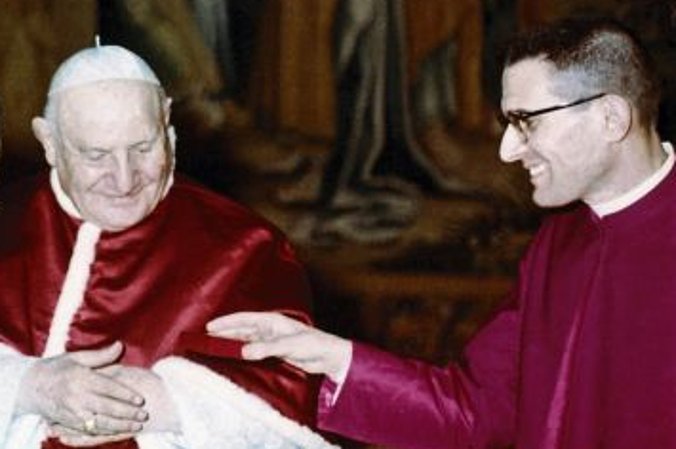
«Mi concentrerei su quanto accaduto al Pontefice. È più che giusto che si sia espresso su temi così drammatici come la guerra. È suo compito e lo ha fatto con estrema dignità e preoccupazione rispetto ai destini del Mondo».
«Poi c’è un aspetto più storico–teologico, campo che ho approfondito a lungo durante il mio percorso universitario. Nel 1870, il Concilio Vaticano I decretò la cosiddetta infallibilità pontificia. Ciò vuol dire che se il Papa si esprime su argomenti dogmatici e riguardanti la fede, non può essere contestato. Perciò, credo abbia fatto benissimo ad affermare quello che ha dichiarato».
Crede che le sanzioni nei confronti di Israele sarebbero una giusta misura?
 «La situazione è estremamente complessa. E ha delle precise radici storiche. Sarei dell’idea che se c’è uno Stato minacciato da un entità terroristica, esso ha il diritto di difendersi».
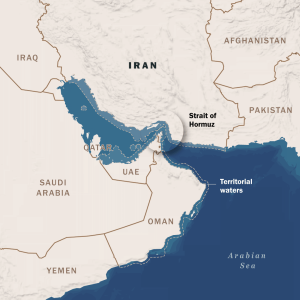
«La vera sfida, che sta influenzando la quotidianità di tutti noi europei, è la chiusura dello stretto di Hormuz. Ora è fondamentale concentrarsi su una soluzione diplomatica».
Translation
1,562 days after Russia’s invasion of Ukraine, the Kremlin is reportedly facing its most critical moment. According to estonian intelligence chief Kaupo Rosin, available data depicts a country close to default, caught between the grip of an unstable economy and meager results on the battlefield.
Moscow relied on its superpower status and demographic superiority to win the war, but the percentage of territorial conquest demonstrates the inconsistency of this strategy. Since the first meters covered by Russian tanks in February 2022, only 13% of Ukrainian regions have been conquered. Nor is Donbas, the gateway to the Black Sea and a real strategic objective, fully in the hands of Kremlin troops. What we witness day after day is the clear debacle of the original plan to transform Kiev into a puppet State within a renewed sphere of influence in the former Soviet Union.
Moscow’s obtuse military campaign has had another unintended outcome. Unconditional European support for Kiev has revitalized the idea of a strong Europe. Standing alongside Ukraine, Brussels is demonstrating its desire to regain its role in a significantly changed World, where American disengagement and a Middle East in flames are uncertainties that necessarily push for a reinterpretation of its identity. Between military independence, diversification of partners, and decision-making capacity.
Let’s take stock with the Speaker of the Estonian Parliament Lauri Hussar.
Is a Korean-like solution possible in Ukraine?
«We must start from a fundamental premise: Russia does not want to negotiate independently of the future peace formula. As we see every day, Moscow’s objectives remain unchanged and several bombs continue to fall on Kiev. Therefore, if Putin does not intend to sit at the negotiating table, it’s up to us to put him in a position where he has no other choice. It’s our duty»
«This will only be possible by following a clear direction. Ukraine is militarily highly capable and motivated to defend its sovereignty, but the support of its allies is crucial. I believe we are doing well as a Union, but at the same time we must – and I repeat – we must do more to help the ukrainian people and army».
«There are two key words: sanctions (21st package is already being worked on) and increased military support and supplies. As for peace terms, the demands of Ukraine and President Zelensky have priority».
How to interpret the fitful American support?
«Recently, the United States has begun to cooperate with Ukraine in many areas, but it is true that Europe is bearing the burden. I’m confident about this. The EU is capable of doing it as it has demonstrated over the past four years, investing heavily in security and defense».
«We are rethinking our role in the World, expanding our military industry and making it increasingly technologically efficient. I know it’s a great ambition, but it will be a success».
Do you think the Kremlin wants more than Kiev?
«Of course, Putin is the personification of evil and has always looked further ahead. I don’t know if it’s about restoring the Soviet Union or expanding his influence in Eastern Europe, but that’s clearly the mentality».
«In any case, it’s just a dream that will never come true. Today, Russia is in serious economic trouble and is failing to advance on the battlefield».
How can we try to solve hybrid warfare and fake news’s flow?
«Much of the work to be done falls back to newspapers, publishers, and industry companies. It’s up to them to develop serious and comprehensive fact-checking protocols and identify external or suspicious infiltration/interference. As for the European Union and the member states, it’s unlikely they’ll be able to intervene on such a sensitive issue. In Estonia, we have some spontaneous initiatives, but they’re not enough».
«We live in a society where the power of information is massive and goes through social media. Everyone now gets their news from their smartphone, not realizing that these are easily penetrated structures. The EU has to act on this issue by imposing rules and limits on owners who often fail to comply with even basic regulations, allowing the publication of any claim, even the most absurd».
Do you think there is a risk that BSI’s funds will be cut in the future?
«No, I don’t. We have excellent security cooperation with Washington. Within NATO, we are recognized as a virtuous example in this regard. Among other stuff, it should be remembered that all this is important for the US too. Because, today, the future of Europe and the West depends on the defense of the Eastern Front».
«For example, in recent weeks, rumors have been spreading that 5,000 US troops would not be withdrawn from Poland. Yet, the US administration has made it unequivocally clear that this will not happen».
Was starting the war in Iran a smart move by the United States?
«It’s very difficult for us to comment on the motives behind the operation against Tehran. We weren’t notified (nor was Italy). What’s surprising and beyond belief is the Iranian regime’s reaction. I think, very realistically, that it was the russian allies who suggested expanding the unrest, involving the Gulf countries as well».
«If you think about it, an oil crisis is in the Kremlin’s interest, as Russia is one of the world’s largest producers and exporters of crude oil. They haven’t been able to capitalize on it because the ukrainians have destroyed much of their energy infrastructure. But the will was there».
What is Estonia’s official position on the Board of Peace?
«We haven’t even received an invitation to participate. All multilateral initiatives are generally positive. The point is we should also see the results»!
Does being an ally of the US cost anything these days? Giorgia Meloni has recently distanced herself from Donald Trump – as with the Pope.
«I would focus on what happened to the Pope. He correctly spoke out on such dramatic issues as war. It’s his duty, and he did it with extreme dignity and concern for the fate of the world».
«Then, there’s a more historical-theological aspect, a field I studied extensively during my university studies. In 1870, the First Vatican Council decreed papal infallibility. This means that if the Pope expresses himself on dogmatic or concerning faith matters, he cannot be contested. Therefore, he was right to say what he said».
Do you think sanctions against Israel would be a fair measure?
«The situation is extremely complex. And it has specific historical roots. I would argue that if a State is threatened by a terrorist entity, it has the right to defend itself».
«Right now, the real challenge, which is impacting the daily lives of all of us Europeans, is the closure of the Strait of Hormuz. It’s essential to focus on a diplomatic solution».
Fabio Sinisi
Foto © Raplamaa Sonumid, Al Jazeera, Università Cattolica, PBS, ICG